Assam Plans 20% Salary Deduction for Govt Employees Who Remarry Without Divorce
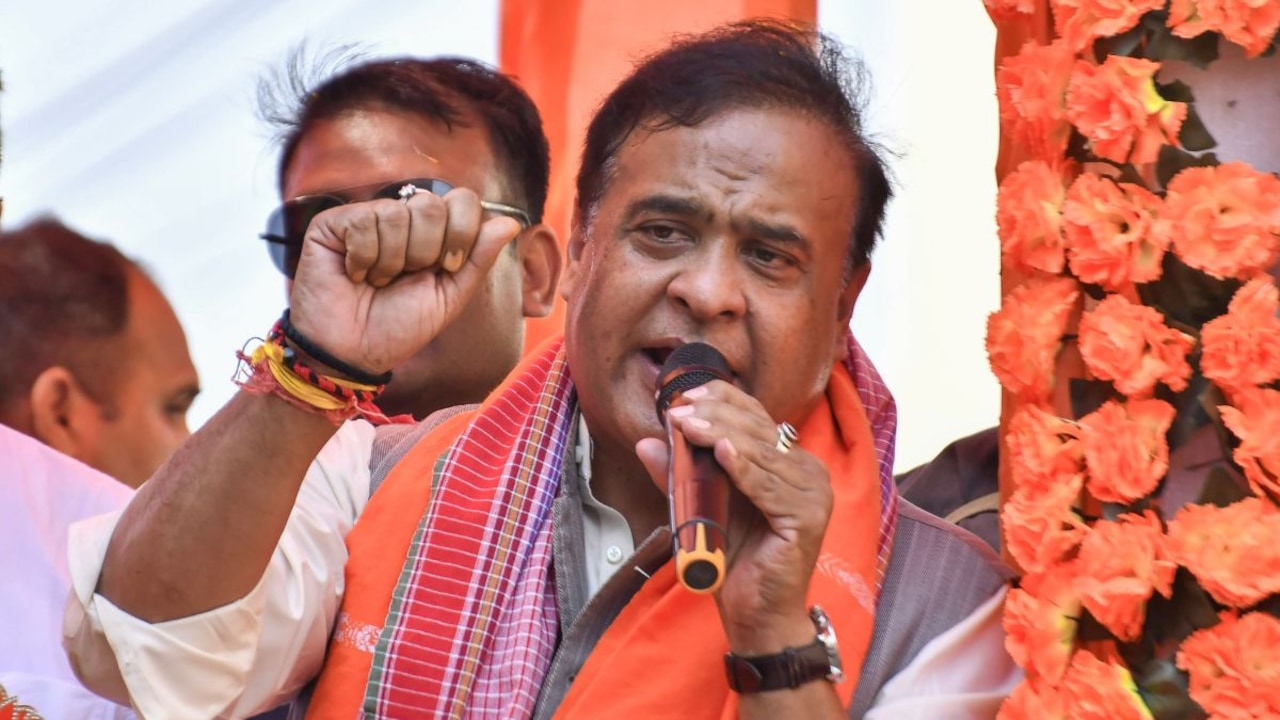
The Assam government is considering a proposal to deduct 20 per cent of the salary of state employees who enter into a second marriage without legally divorcing their first wife, Chief Minister Himanta Biswa Sarma announced on Monday. The deducted amount would be transferred directly to the first wife's bank account, provided she applies to the government for this support.
Sarma said the proposed measure is aimed at ensuring that women who have been abandoned without formal divorce proceedings receive financial assistance while their cases are pending in court. The salary deduction would continue during the pendency of the legal matter, so that the first wife does not have to wait without financial support until the proceedings are completed.
In addition to the salary deduction, the Chief Minister said the government would initiate legal proceedings against employees found to be violating the applicable law and service rules. The proposal is part of the state's broader effort to tighten its legal and administrative framework against polygamy.
Assam has already brought provisions prohibiting polygamous marriages into its civil-law framework, and its government service rules place restrictions on second marriages. The latest proposal comes after the government identified several cases in which employees had allegedly left their first wives without completing the divorce process and gone on to live with or marry another woman.
Sarma also indicated that the government is considering extending similar protection to women whose husbands work in the private sector. A legislative measure is being examined to bring private-sector employees within the ambit of this provision, he added.
The announcement underscores the state's commitment to addressing grievances of women who are left without legal and financial recourse due to informal second marriages. However, the proposal is still at a deliberative stage, and detailed guidelines are expected to be framed before implementation.
Observers note that while the move aims to provide financial security to first wives, its implementation would require careful legal scrutiny to ensure compliance with matrimonial laws and service rules. The government is expected to finalise the proposal after further consultations.







