Assam floods: CM prioritises health, power, sanitation; 82 dead

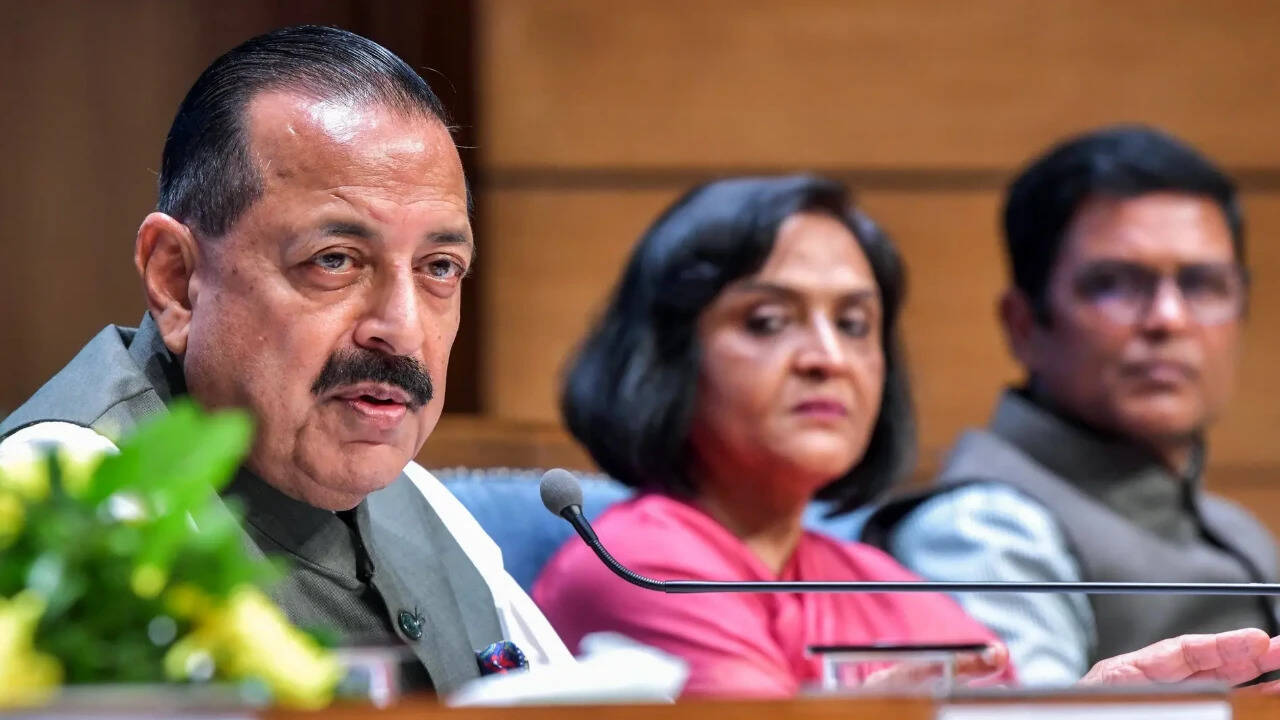
Assam Chief Minister Himanta Biswa Sarma on Sunday (August 2, 2026) began an extensive tour of the state's worst flood-hit districts to personally assess the damage and oversee the ongoing relief and rehabilitation operations. He started from eastern Assam's Dibrugarh district, and during his interactions with officials and local representatives, he said the government machinery was making concentrated efforts on multiple fronts, including medical and animal healthcare, drinking water supply, power restoration, and sanitation, with the aim of helping the affected areas return to normalcy at the earliest.
According to data shared by Mr. Sarma on social media, the recurring floods between April 29 and August 1 affected 11.45 lakh people across 25 districts, claiming 82 human lives and countless animals. The data specifically noted that 63 of the 82 deaths were reported from Sivasagar and Charaideo districts, which have been among the hardest hit. The high number of fatalities in these two districts has prompted the government to prioritise relief efforts there.
"As Assam moves from relief to recovery, our work on the ground continues," the Chief Minister said, adding that a comprehensive state-wide flood damage assessment would begin on August 9. The assessment is expected to guide further relief and reconstruction efforts and help in preparing a detailed memorandum for central assistance.
In a measure to provide immediate relief, the Assam government announced a waiver of the July electricity bill for residents of Charaideo and Sivasagar districts consuming up to 300 units of power. Additionally, ₹7.63 crore was released from the Chief Minister's Relief Fund for uniforms for school students up to Class 8 in Sivasagar, Charaideo, Jorhat, and Golaghat districts.
Assam, a state in northeastern India, is prone to annual floods during the monsoon season, with rivers such as the Brahmaputra and its tributaries frequently overflowing. This year, heavy rainfall has caused widespread devastation, particularly in the eastern and central parts of the state. Several rivers have been flowing above the danger mark, inundating villages, damaging crops and infrastructure, and affecting lakhs of people. Many have attributed the severity of the floods to excessive rainfall in neighboring Nagaland, which also triggered a landslide in Mon town on July 19, killing nine people.
Reacting to these allegations, the Konyak Union, the apex body of the Konyak Naga community that dominates Mon district, said the recent floods in parts of Assam were unrelated to Nagaland. The union dismissed claims that the floods were caused by the release of water from a purported hydroelectric dam in Mon district or by illegal coal mining activities, describing such assertions as "baseless and unsupported by facts."
Earlier, Sivasagar MLA Akhil Gogoi had alleged that syndicates formed by legislators and ministers dug up a 21-km stretch in the foothills of Nagaland to extract coal and stones. "Water accumulated in the trenches and pits broke out to devastate three Assam districts," he said.
Citing experts, Mr. Sarma said rainfall that was 435-490% above normal in parts of Assam and Nagaland, along with hill catchment runoff and silt movement, severely affected Sivasagar, Charaideo, and Jorhat districts.
In neighboring Arunachal Pradesh, Chief Minister Pema Khandu thanked the Centre for approving an advance release of ₹44.55 crore under the State Disaster Response Fund (SDRF) to support relief and rehabilitation efforts in flood-hit areas of that state. The amount is part of the Centre's decision to release ₹2,117.85 crore as the Central share of the SDRF to seven flood-affected states. The SDRF is a key financial mechanism under India's disaster management framework, providing states with timely resources for relief and rehabilitation. The advance release is aimed at helping the state respond quickly to the crisis. The Central government's allocation to seven states underscores the widespread impact of the monsoon floods across the region.
The flood situation in Assam, along with the devastation in neighboring Arunachal Pradesh, points to the scale of the challenge posed by this year's monsoon. As the rescue and relief operations continue across the region, the focus will now shift to a detailed assessment of the damage and long-term rehabilitation of those affected.