Assam Floods Claim 66 Lives; Centre and State Launch Relief Operations
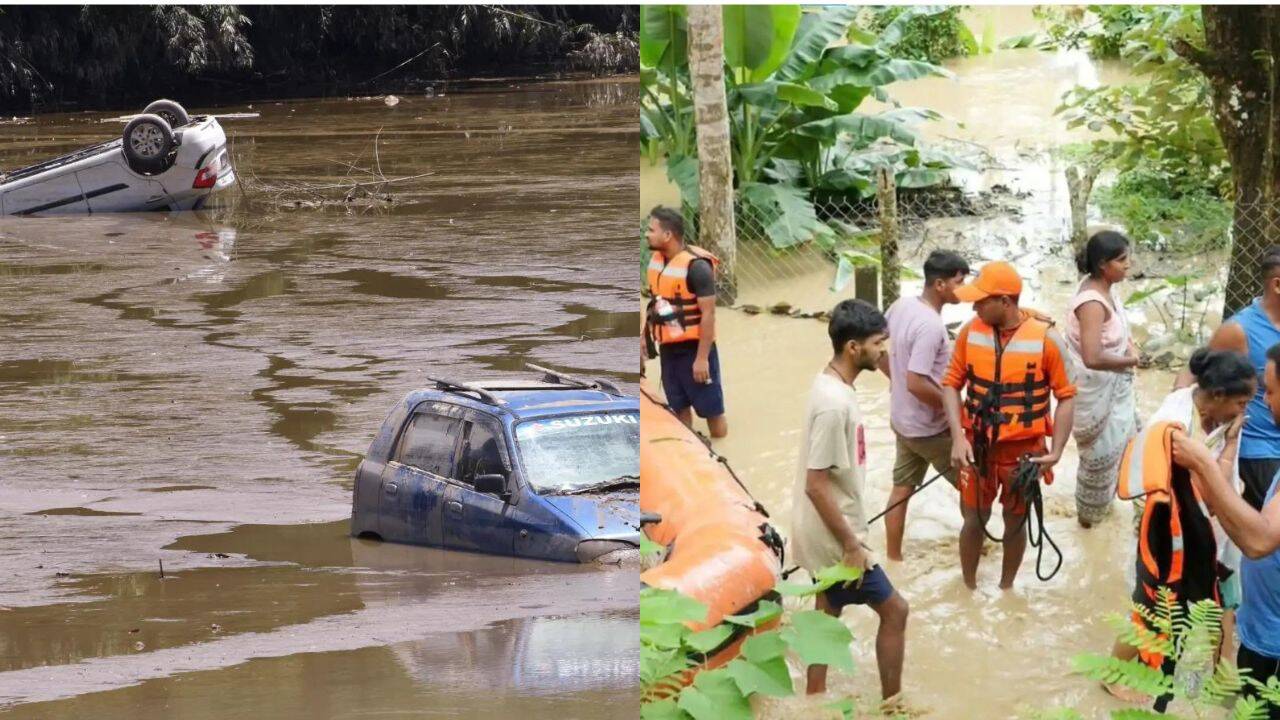
At least 66 people have lost their lives as severe floods continue to wreak havoc across Assam, affecting lakhs of residents in multiple districts. The disaster, caused by incessant rainfall and overflowing rivers, has submerged vast areas, displacing thousands and damaging infrastructure and crops.
In response, the Bharatiya Janata Party (BJP) has initiated a relief drive worth Rs 12 crore, aimed at providing essential supplies and support to affected communities. The effort is part of a broader collaboration between the state government and central agencies to mitigate the impact of the floods.
According to official reports, over 12 lakh people in 24 districts have been affected. Rescue operations are underway, with the National Disaster Response Force (NDRF) and State Disaster Response Force (SDRF) teams deployed to evacuate stranded individuals. Relief camps have been set up in several locations, offering food, water, and medical assistance.
The Assam government has also announced financial compensation of Rs 4 lakh each to the families of the deceased. Additionally, compensation for livestock and crop loss is being processed based on assessments by revenue officials.
Weather authorities have predicted more rainfall in the coming days, raising concerns about further flooding. In response, the administration has issued warnings and advisories, urging residents in vulnerable areas to move to safer locations.
The floods have also disrupted rail and road connectivity, with several national highways submerged. The Indian Railways has cancelled or diverted some trains, and road traffic remains affected. Meanwhile, power supply and communication networks have been hit in many regions, hampering relief efforts.
Political leaders, including Chief Minister Himanta Biswa Sarma, have visited affected areas to take stock of the situation. The Prime Minister's Office has assured full support from the central government.
Experts attribute the severity of this year's floods to climate change and unplanned development in floodplains. The need for long-term mitigation strategies, including better drainage systems and flood-resistant infrastructure, has been emphasized by environmentalists.
The situation remains critical, with authorities working round-the-clock to provide relief. The coming days will be crucial as rescue and rehabilitation efforts continue.