Assam Floods: 58 Dead, Cloudburst or Heavy Rain? Experts Explain Flash Floods
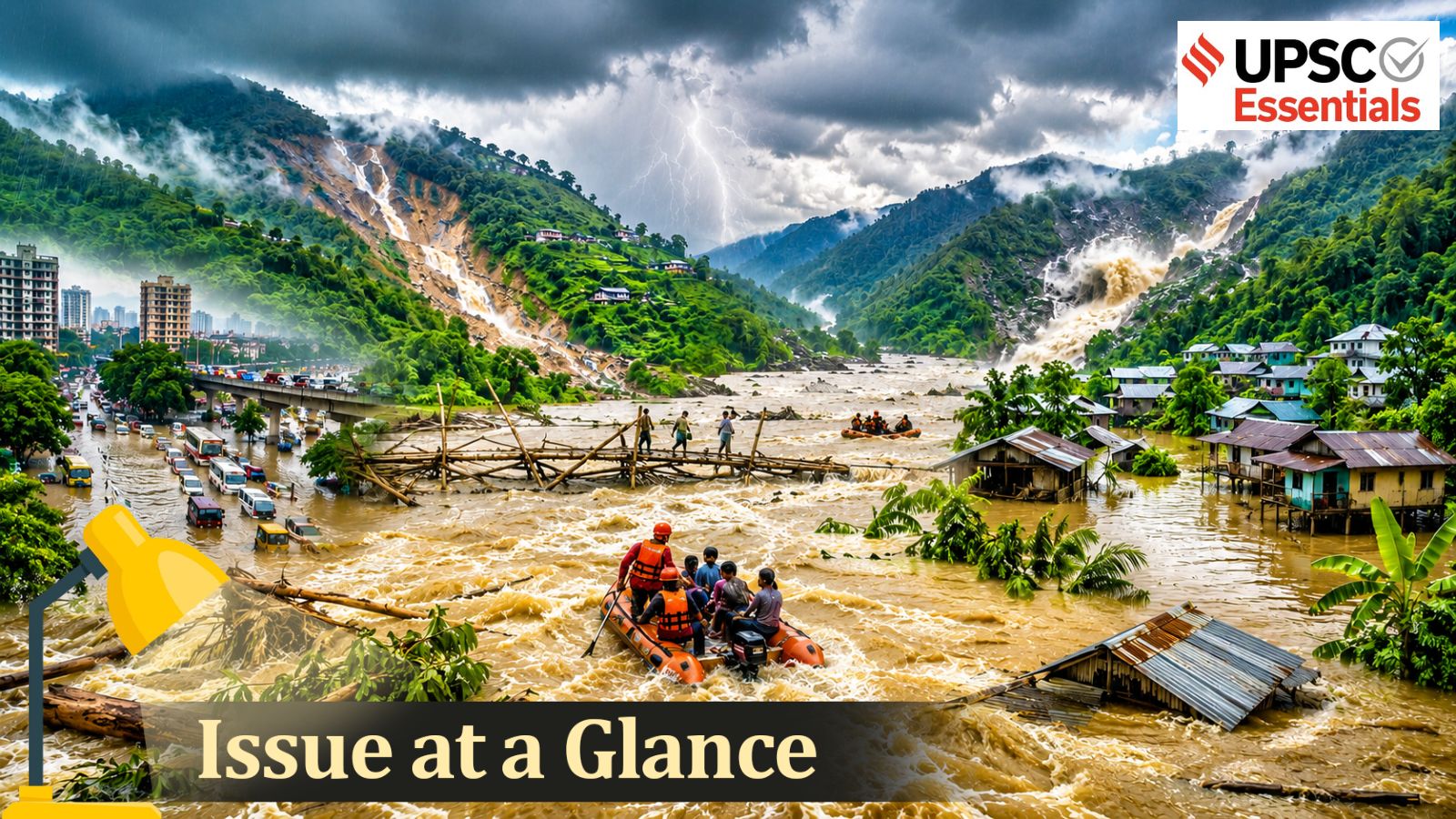
Assam is reeling from devastating floods that have claimed at least 58 lives, including six children, since Monday, according to the Assam State Disaster Management Authority. The state government initially blamed a 'cloudburst' in the neighbouring hill district of Mon in Nagaland on July 19 for the deluge. However, a scientist at the Meteorological Centre Kohima told The Indian Express that the area received heavy rainfall of 137 mm over eight to nine hours, not a cloudburst.
This distinction matters because cloudbursts and heavy rain have different characteristics and implications for disaster management. To understand the broader picture, it is essential to grasp what flash floods are, how they differ from general floods, and what drives them.
Flash Floods vs. General Floods
General floods occur when excessive or continuous rainfall over days or seasons leads to water stagnation. Flash floods, by contrast, happen in a much shorter time. The US National Weather Service defines flash floods as flooding that occurs within six hours of rainfall. They can also result from dam failures or sudden water releases.
In India, flash floods are often linked to cloudbursts—sudden, intense rainfall over a small area. The India Meteorological Department (IMD) defines a cloudburst as precipitation exceeding 100 mm per hour over a region of 20–30 square km. Such extreme rainfall can overwhelm drainage systems and trigger rapid flooding.
Himalayan states face additional risks from glacial lake outburst floods (GLOFs), where melting glaciers cause lakes to overflow. The number of such lakes has been rising in recent years.
How Common Are Flash Floods?
India is the second worst flood-affected country globally, after Bangladesh, accounting for one-fifth of flood-related deaths worldwide, according to government data. Flash floods are frequent in cities like Chennai and Mumbai, as well as coastal areas of Odisha, West Bengal, and Andhra Pradesh due to depressions and cyclonic storms.
The National Disaster Management Authority notes that floods occur frequently in India due to its geography and monsoon climate. However, climate change is increasing the intensity and unpredictability of extreme weather events, including flash floods.
What Drives Flash Floods?
Flash floods are more common in narrow, steep river valleys where water flows quickly. Urban areas with impervious surfaces like roads and concrete exacerbate the risk by preventing water absorption. In Assam, the Brahmaputra River and its tributaries swell rapidly during heavy rains, inundating vast areas.
Other factors include deforestation, unplanned construction, and inadequate drainage systems. The recent floods in Assam highlight the need for smarter preparedness, including better forecasting, early warning systems, and community resilience.
What Should India Do?
Experts recommend improving meteorological monitoring to accurately distinguish between cloudbursts and heavy rain, upgrading flood warning systems, and enforcing land-use regulations. Investing in green infrastructure, such as wetlands and floodplains, can absorb excess water. Public awareness campaigns and disaster drills also help reduce loss of life.
As Assam grapples with yet another flood crisis, the lessons are clear: preparedness and mitigation must evolve to match the growing risks posed by climate change.