Andy Burnham becomes UK Prime Minister after Labour internal contest
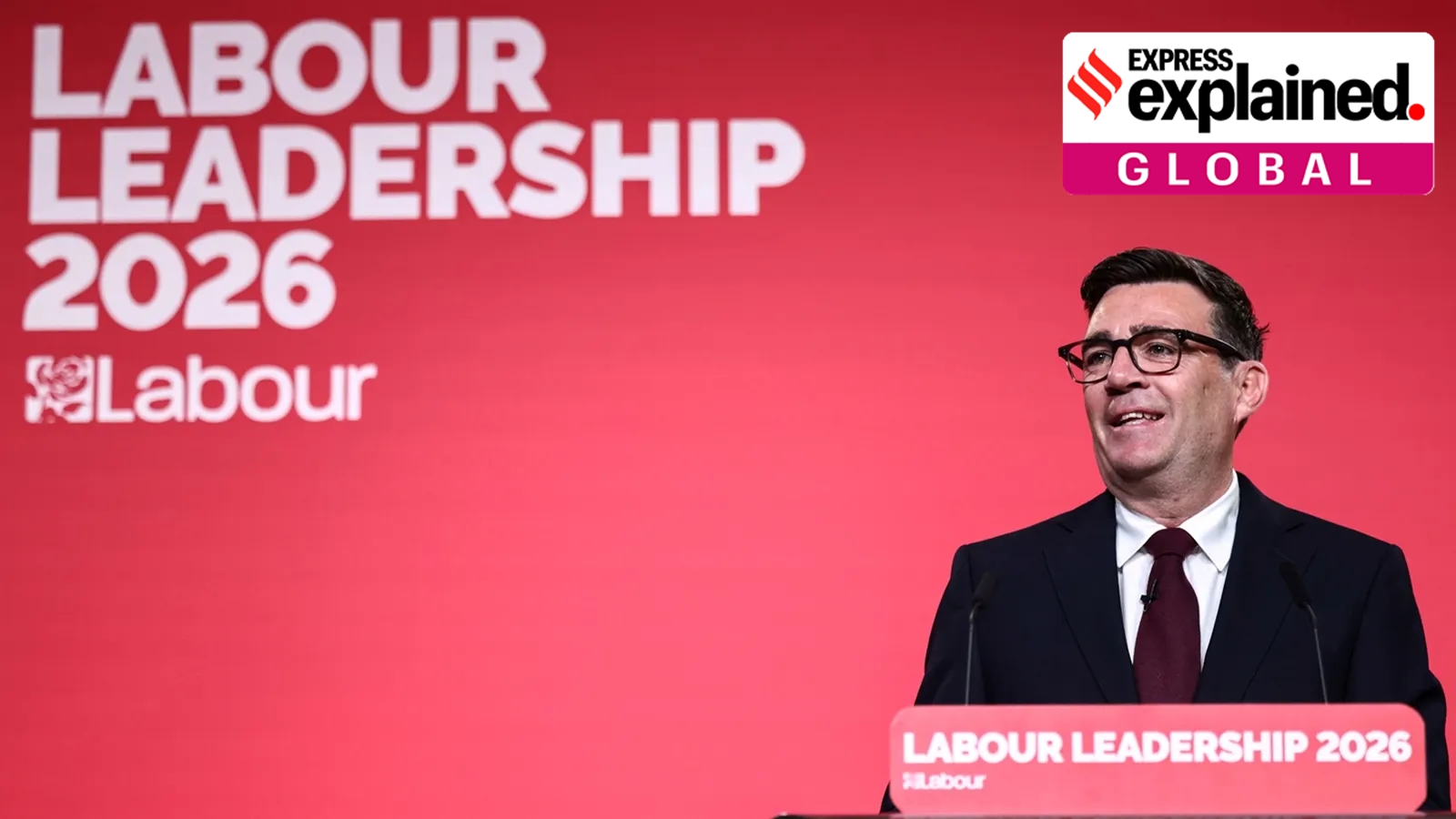
Andy Burnham was appointed as the United Kingdom's Prime Minister on Monday, following the resignation of his predecessor, Keir Starmer. Starmer stepped down last month amid intense speculation about his ability to lead the Labour Party after poor results in local elections earlier this year.
Burnham, 56, had not contested the 2024 general election, which Labour won. However, he won the Makerfield by-election earlier this year and subsequently won the internal Labour Party contest to become leader, at a time of significant disorganisation within the party.
Early Labour Years
Born in Lancashire, Andrew Murray Burnham studied English at the University of Cambridge. Until 2001, he worked as a special advisor to Chris Smith, the Secretary of State for Culture, Media and Sport.
In 2001, Burnham entered the House of Commons as the Member of Parliament for Leigh. He rose through Labour governments under Tony Blair and Gordon Brown, eventually becoming Health Secretary. From 2010 to 2017, he held various positions in the shadow Cabinet, the opposition's frontbench. He unsuccessfully contested Labour's internal leadership elections in 2010 and 2015. In 2016, he announced he would run for Mayor of Greater Manchester and step back from national politics.
'King of the North'
Burnham was elected Mayor of Greater Manchester in 2017 and was re-elected twice. His most notable moment came during the COVID-19 pandemic in 2020, when he opposed the central government's attempt to place Greater Manchester under stricter lockdown rules without additional financial support. In an unscripted press conference, he called the government's approach 'brutal' and 'disgraceful', earning him the nickname 'King of the North' and solidifying his reputation as a leader advocating for neglected communities.
He also established the Bee Network, a public transport overhaul that created an affordable, unified, and fully integrated system outside London. His efforts were rewarded with re-election in 2021 and 2024, where he won over 60% of the vote.
Return to Westminster
Burnham's return to national politics is attributed to his emerging economic philosophy, known as 'Manchesterism', which advocates for state-level intervention to promote regional growth and devolution of power.
Manjeev Singh Puri, former Indian Ambassador to Belgium and the EU, told The Indian Express: 'Labour might think that he is the man to galvanise them to be a party that can win the upcoming 2029 general elections.' This galvanising effect was evident within a day of Burnham's by-election win, amid Starmer's weakened position. Puri added that Burnham benefits from being on the right side of perception, as Starmer, despite his 2024 landslide, was not seen by Labour MPs as the leader for the next general election.
Burnham was the early favourite after Starmer's exit, securing 379 of the 403 Labour MPs' votes. Ideologically, he walks a factional tightrope, reflecting Labour's challenges. He has advocated expanding council housing to appeal to left-leaning voters, while presenting himself as 'pro-business' to reassure the centrist right.