Andhra Pradesh becomes first Indian state to offer free Canva access in government schools
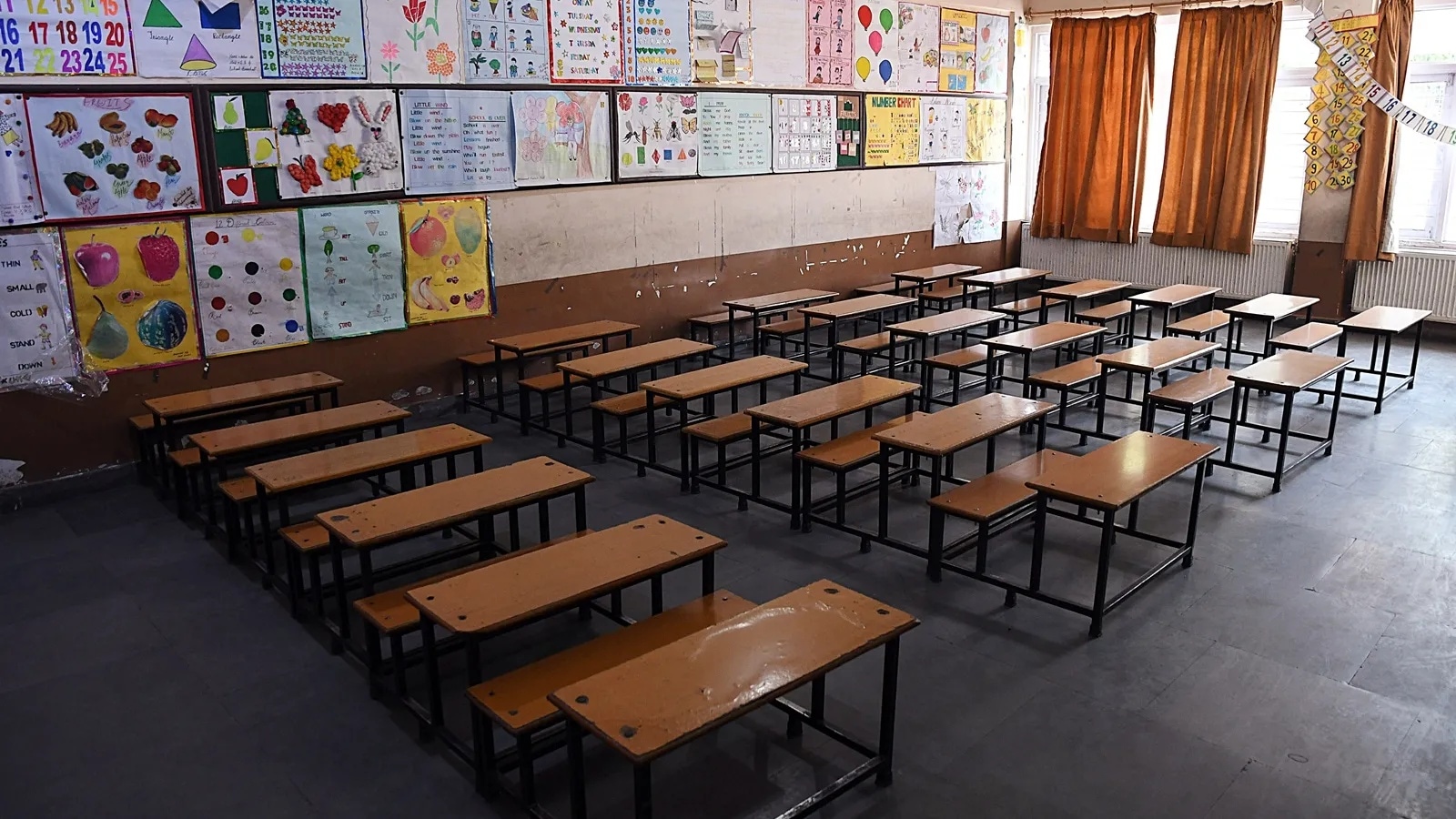
The Andhra Pradesh government has signed an agreement with Canva, a global visual communication platform, to provide free access for all public school students, teachers, and education department officials across the state. The partnership, formalised on June 18 between the Education Department, Samagra Siksha, and Canva, marks a significant step in integrating digital design tools into the school curriculum.
According to an official release on Saturday, Andhra Pradesh is the first state in India to facilitate statewide access to Canva for Education for government school students and educators. The initiative aims to equip students with modern tools for creating presentations, projects, infographics, videos, and other visual learning content, thereby enhancing digital literacy and creativity.
Canva for Education is a free version of the platform designed specifically for schools, providing access to thousands of templates, design elements, and collaboration features. The platform is used globally to help students develop visual communication skills that are increasingly important in the digital age.
The state education department estimates that the initiative will benefit over 40 lakh students and nearly 2 lakh teachers in government schools. Officials believe that access to such tools will not only improve learning outcomes but also prepare students for future careers in design, marketing, and other fields requiring visual communication expertise.
Teachers and education department officials will also receive training and resources to integrate Canva into their teaching methods. The partnership includes professional development sessions to help educators maximise the platform's potential in classrooms.
This move aligns with the National Education Policy 2020, which emphasises the use of technology to enhance learning and promote creativity among students. The Andhra Pradesh government has been actively pursuing digital initiatives in education, including the distribution of tablets and the establishment of smart classrooms in rural areas.
While the announcement has been welcomed by educators and parents, some experts caution that access to tools alone is not sufficient; sustained teacher training and infrastructure support are necessary to realise the full benefits. The state government has assured that it will monitor the implementation and provide ongoing support to schools.