Air India Phuket-Delhi Flight Lost All Flight Controls for 4 Seconds, Probe Finds
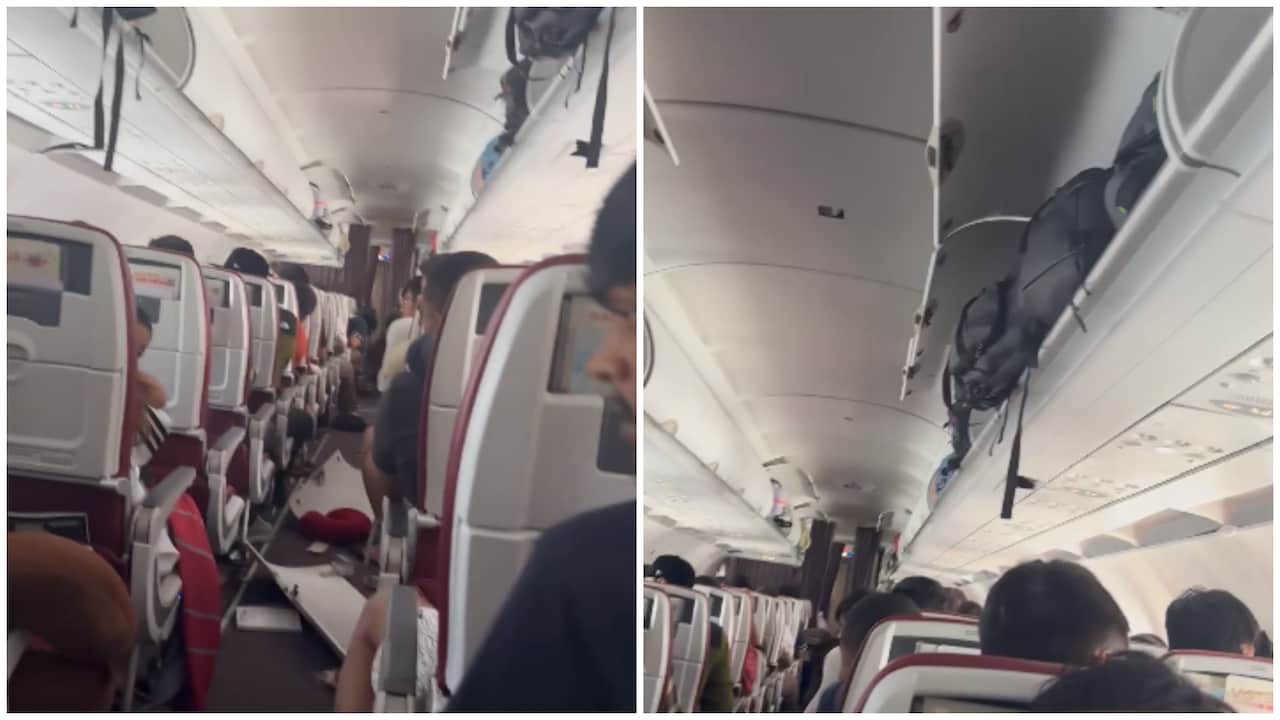
A scheduled Air India flight from Phuket to New Delhi—flight AI-2379—experienced a total loss of flight controls for four seconds, causing the Airbus A320 neo to drop 300 feet and injuring several passengers and crew members. The incident occurred during the cruise phase of the flight and is under investigation by Indian authorities with assistance from Airbus and the French Bureau of Enquiry and Analysis for Civil Aviation Safety (BEA).
According to initial analysis of the digital flight data recorder, the aircraft's elevators and ailerons became unresponsive simultaneously due to a failure of all three hydraulic systems. The spoilers also ceased to function as a result of the same hydraulic pressure loss. For context, elevators control the aircraft's pitch, ailerons control roll, and spoilers reduce lift and increase drag. The aircraft has three independent hydraulic systems, and all of them lost pressure at the same time, leaving the pilots with no direct control over these critical surfaces.
With no hydraulic power, the control surfaces drifted without pilot command, and the autopilot disconnected. The co-pilot, who was flying at the time, received stall warnings and pushed his sidestick forward to lower the nose, a standard recovery procedure in a potential stall. However, because the hydraulics had not yet recovered, his initial inputs had no effect. A few seconds later, all systems restored pressure, and the aircraft pitched down sharply. The sudden manoeuvre threw passengers and crew toward the cabin ceiling, causing injuries, some of them serious.
The aircraft landed safely at Indira Gandhi International Airport in Delhi, and medical teams attended to the injured on arrival. The flight data recorder was subsequently sent for analysis. Airbus's initial dossier, sent to Air India around midnight on August 5—about 15 to 16 hours after the incident—pointed to a possible faulty hydraulic pressure switch. However, the manufacturer has not identified a definitive root cause or issued final recommendations.
Investigators from Airbus and the BEA have arrived in New Delhi and, along with India's Aircraft Accident Investigation Bureau (AAIB), have begun a physical inspection of the aircraft. Data from the flight may also have been transmitted in real time to Airbus's 24-hour technical support centre in Toulouse via the ACARS communication system. The AAIB is leading the investigation and coordinating with all parties.
In a separate matter, the pilot-in-command, Captain Sudeep Vashistha, has tested positive for marijuana in two urine tests conducted after the flight. A cabin crew member is reported to have filed a complaint alleging that the captain had smoked cannabis before the flight. Air India has ordered mandatory drug testing for all pilots across Air India and its subsidiary Air India Express. The airline has not commented on possible disciplinary action while the investigation is ongoing.
The incident raises questions about the reliability of hydraulic systems on modern airliners, which are designed with redundancy to prevent such failures. The crew's actions during the emergency and the subsequent recovery will be central to the investigation. A detailed report is expected from the AAIB in the coming weeks, and its findings may have implications for Airbus A320 neo operators worldwide.







