AI-focused hedge fund loses billions as leveraged bets unwind
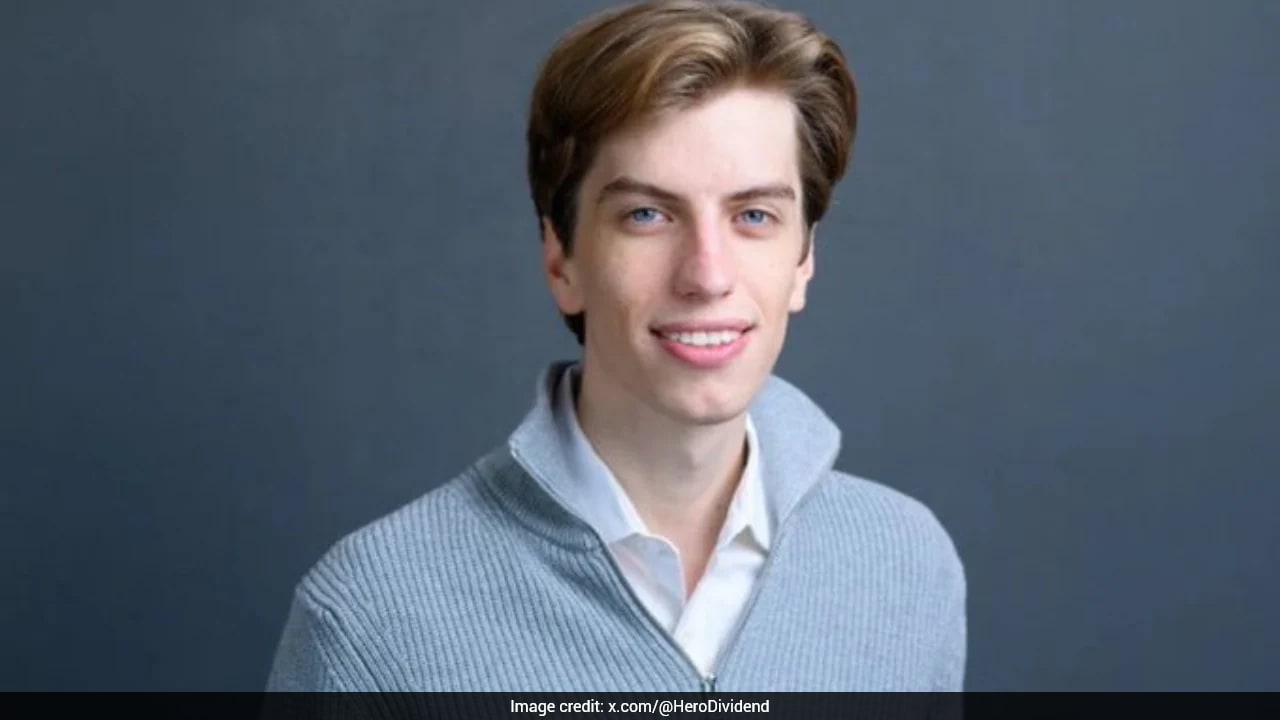
Leopold Aschenbrenner, a former OpenAI researcher who gained attention for his bold predictions about artificial intelligence, has seen his hedge fund suffer a dramatic reversal. Situational Awareness, the fund he founded about two years ago, was forced to sell billions of dollars in technology investments this week after lenders demanded additional collateral as share prices fell.
The rapid selloff caught the attention of billionaire Ken Griffin, whose Citadel hedge fund acquired the assets at a discounted price within 24 hours, according to a person familiar with the matter who asked not to be identified because the information is private.
The fund's assets have dropped from about $45 billion at the start of July to roughly $10 billion, a decline of more than 75%. In a letter to investors sent late Thursday, Aschenbrenner acknowledged the losses, writing, "We let you down this month." The fund lost about 67% of its value in July, though it remains up nearly 80% for the year, according to the letter.
Aschenbrenner, who is in his 20s, had no prior investment experience before starting the fund. His public profile grew after he posted a viral essay in 2024 titled "Situational Awareness," which discussed the future of artificial intelligence. The essay's optimistic tone helped attract investors who shared his view that AI would transform the global economy.
The recent turmoil began as technology stocks started to slide in the past few weeks. Banks including Goldman Sachs, JPMorgan Chase and Bank of America had earlier been willing to extend substantial credit to the fund, with some offering loans of four to five times its capital, according to people familiar with the matter. When prices fell, these lenders demanded more collateral, and Aschenbrenner began selling positions to meet the margin calls.
The scale of the selling rippled through global markets, leaving investors looking for explanations. "The selloff on Wednesday was completely unwarranted to be honest," said Vuk Vukovic, chief investment officer at Oraclum Capital. "There had to be something else behind it. Now we see what happened."
There were earlier signs that Wall Street was growing cautious about the fund's heavy concentration in a single sector. Situational Awareness had approached Barclays about providing financing, but the bank turned it away because of concerns about its exposure to technology stocks, according to people familiar with the matter. Barclays declined to comment.
Representatives for Goldman, JPMorgan, Bank of America and Situational Awareness declined to comment. Calls also went out this week to potential buyers capable of absorbing large blocks of shares. Millennium Management and Jane Street Group, which already invests in Situational Awareness, were among the firms that considered purchasing assets, the people said.
Despite the losses, Aschenbrenner continues to run one of the world's largest equity hedge funds. He is also preparing to marry his fiancee, who serves as chief of staff to the CEO at Anthropic, a prominent AI company. The wedding is scheduled for this weekend in California's Carmel Valley.
The situation highlights the risks of leveraged investing in a fast-moving sector. It also raises questions about the stability of funds that concentrate heavily on technology, which can be highly volatile. Investors in Situational Awareness will face widely different outcomes depending on when they entered the fund, with early investors still seeing strong gains and recent entrants facing steep losses.