After Fatal Crash, BEST Finds 34% of Wet-Lease Buses Have Brake or Steering Defects
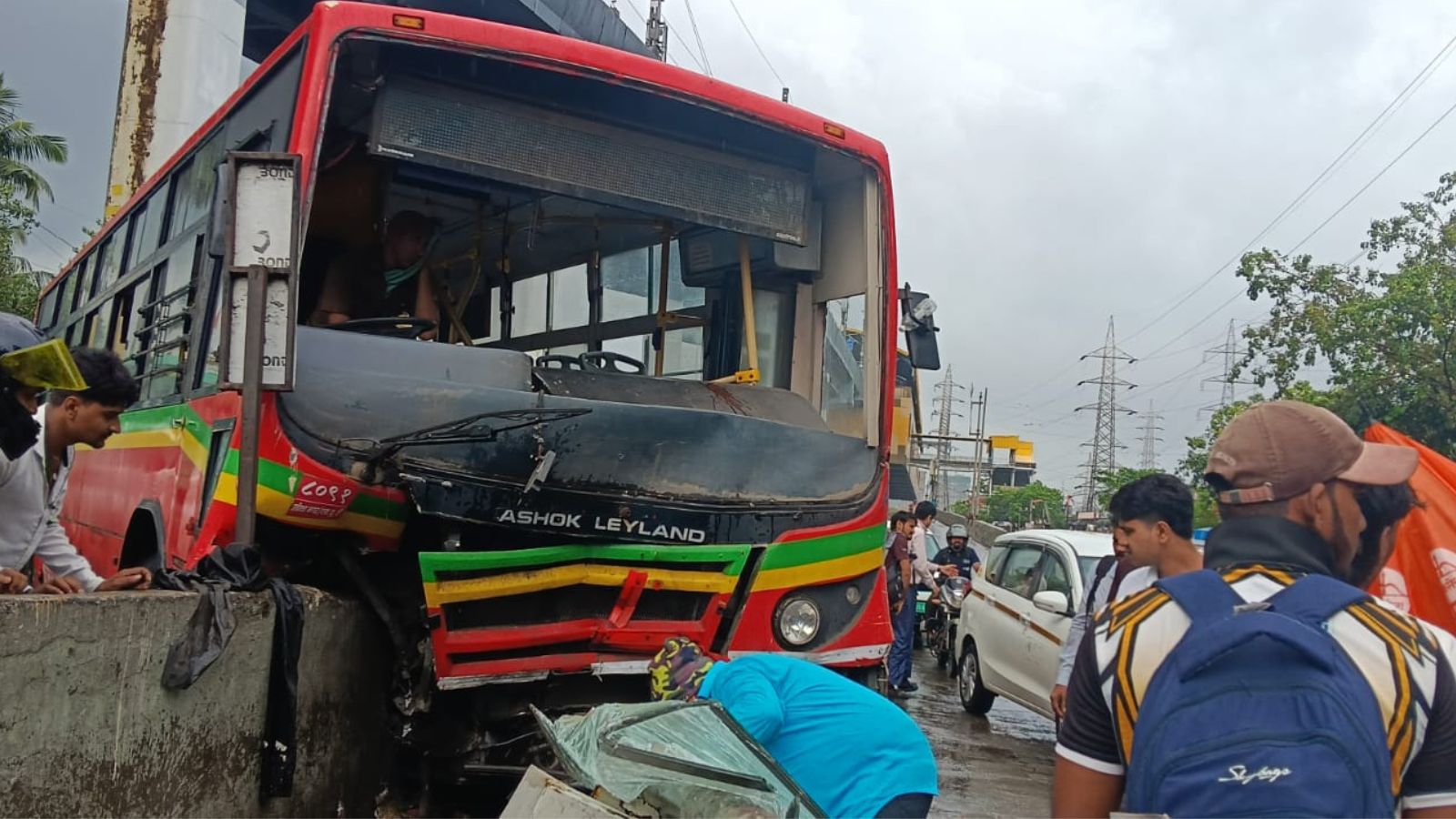
A comprehensive inspection by the Brihanmumbai Electric Supply and Transport (BEST) undertaking has revealed that one in three wet-lease buses had defects in their braking or steering systems. The inspection was carried out between April and July following a series of accidents involving BEST buses.
According to data presented before the BEST Committee on Tuesday, defects were found in 868 of the undertaking's 2,553 wet-lease buses, or around 34 per cent of the fleet. Repairs have been completed on 774 buses, while work on the remaining 94 has been pending for nearly three months.
A senior BEST official told committee members that the remaining buses are currently undergoing repairs at respective depots and will only be released on roads after thorough scrutiny and repairs.
The data was presented in response to objections raised by committee member Nitin Nandgaonkar, who had questioned the condition of buses operated by private wet-lease contractors during an April meeting. Nandgaonkar alleged that 50-60 per cent of wet-lease buses suffered from mechanical defects that remained unattended, posing risks to commuters and pedestrians.
The findings come amid scrutiny of BEST's wet-lease operations following a string of accidents over the past two months. On Monday, a BEST bus in Mankhurd killed a senior citizen after the driver allegedly lost control. Earlier, another accident in Dadar claimed one life, while a major pile-up involving a BEST bus in Andheri left two persons injured.
Despite the inspection findings, the administration maintained that the recent accidents were largely due to driver error. Officials said the preliminary inquiry into the Mankhurd crash suggested the driver was speeding and lost control. In the Dadar accident, they said the driver was suspected to have pressed the accelerator instead of the brake.
The administration's position drew criticism from committee members, who cited repeated complaints about brake failures. Committee member Ajay Singh said 89 buses reported brake failures in April, followed by 91 in May and another 49 during the first half of June. Singh noted that brake failures are likely linked to air pressure leakages, an issue flagged by several drivers and conductors during an inspection at the Kurla depot in June.
Official data showed that more than 42 fatalities involving wet-lease buses were reported over the past two years, compared with eight deaths involving BEST-owned buses during the same period.
Singh also raised concerns over the working hours of the driver involved in the Mankhurd accident, claiming that staff at Pratiksha Nagar depot had informed him that the driver had been assigned overtime after operating buses through the previous night. BEST officials denied the allegation, stating that the driver had reported for duty at 7.30 am on Monday and that the accident occurred a little over an hour later. They assured the committee that the allegation regarding overtime deployment would be examined.
The discussion prompted BEST Committee Chairperson Trushna Vishwasrao to call an urgent meeting with all wet-lease operators. Vishwasrao singled out Mateshwari Urban Transport Solutions, the contractor operating the bus involved in the Mankhurd accident, claiming that buses operated by the company had figured in the highest number of fatal accidents over the past two years. She sought a review of the operator's existing contract with BEST and called for its cancellation. Mateshwari currently operates around 600 buses in BEST's total fleet of 2,802 buses. Vishwasrao also claimed that a proposed contract for an additional 150 buses to the operator had already been revoked.