After 26 Years, Life Convict in Rs 1 Crore Kidnapping Case Arrested
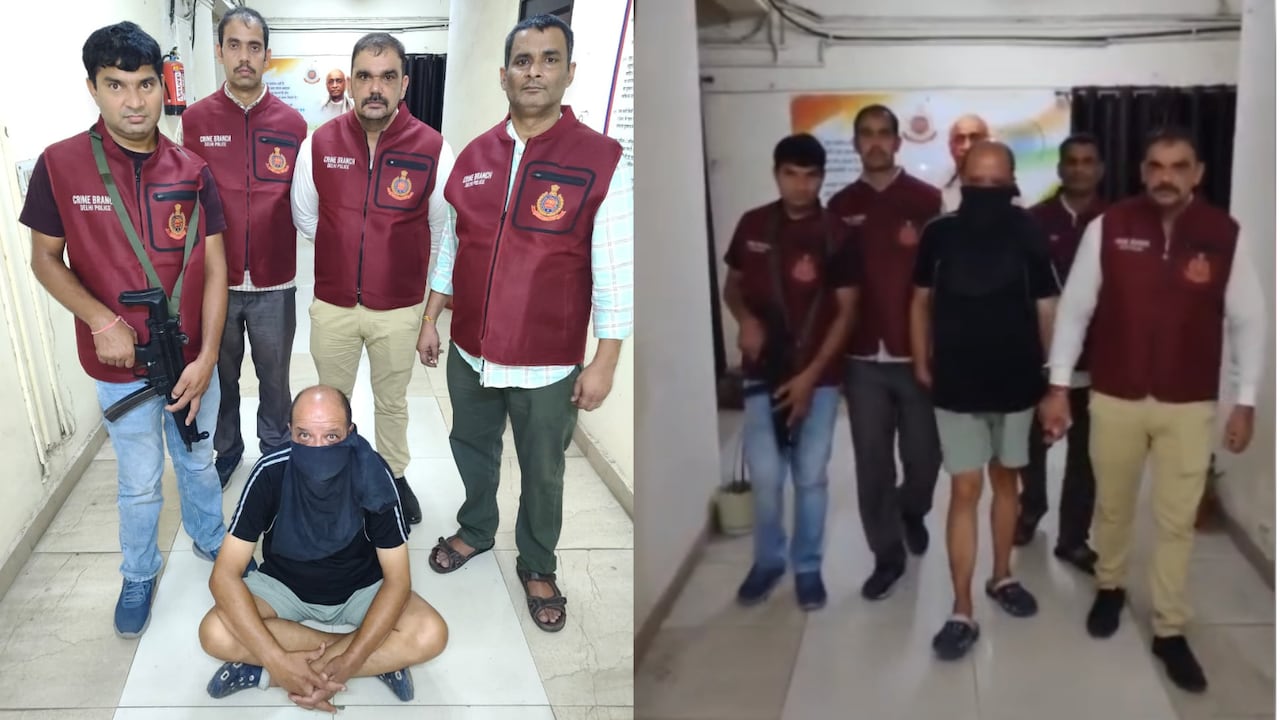
A man sentenced to life imprisonment for kidnapping a Delhi businessman and demanding a ransom of Rs 1 crore has been arrested after evading law enforcement for 26 years. The Delhi Police Crime Branch apprehended Amit Yadav (57), a resident of Baghpat in Uttar Pradesh, from Dehradun on Thursday. He had been living under a false identity for decades.
The case dates back to September 12, 1995. Rishi Sethi, a businessman from Patel Nagar in Delhi, was sitting in his car near the AIIMS Director's residence when three or four men assaulted him, blindfolded him, and forced him into his own vehicle. He was taken to an unknown location and held captive.
The kidnappers contacted Sethi's family and demanded Rs 1 crore for his release. During the police investigation, a portion of the ransom money was placed at a hotel in Meerut as directed by the accused. Yadav arrived at the hotel to collect the money and was arrested on the spot. Police recovered Rs 10 lakh from him. His interrogation led to Sethi's rescue from a house in Ghaziabad, where the victim was found chained in a storeroom. Evidence such as locks, straps, and other items used in the crime were recovered.
In August 1999, a court convicted Yadav and sentenced him to life imprisonment along with a fine of Rs 2.5 lakh. Yadav appealed the verdict in the Delhi High Court, which granted him interim bail for one month in January 2000. He did not surrender after the bail period ended. Later, in December 2000, the High Court dismissed his appeal and upheld the life sentence.
The police declared Yadav a fugitive and announced a reward of Rs 5,000 for information leading to his arrest. However, he managed to evade capture for nearly 26 years by frequently changing his identity and hideouts. According to officials, Yadav first vacated his rented house in Ghaziabad, cut ties with old contacts, and sold his ancestral property in Baghpat. He initially moved to Rishikesh, then to Dehradun in 2001, where he assumed a new identity and began a fresh life.
In Dehradun, Yadav gradually established himself as a builder and was involved in construction work. He lived an ordinary life for years, and police struggled to find any concrete leads. There were no recent photographs of him, and old records from prison and police archives were difficult to retrieve. The Crime Branch took assistance from the Crime Record Office and the Fingerprint Bureau to obtain his biometric and fingerprint records from the 1999 conviction. These records helped confirm his identity.
Once his identity was established, the police intensified the search. A team raided his location in Dehradun and arrested him on Thursday. He has been brought to Delhi and lodged in Tihar Jail. Further legal proceedings are underway.
The Delhi Police Crime Branch's success in this case highlights the importance of preserving biometric records in criminal investigations. Officials noted that despite the passage of over two decades, fingerprint records from the original conviction proved crucial in identifying the absconder.
Yadav's arrest serves as a reminder that even long-pending cases can be solved with diligent investigation and coordination among various police units.







