After 20-Year Wait, Supreme Court to Hear Athlete's Promotion Plea on Aug 21
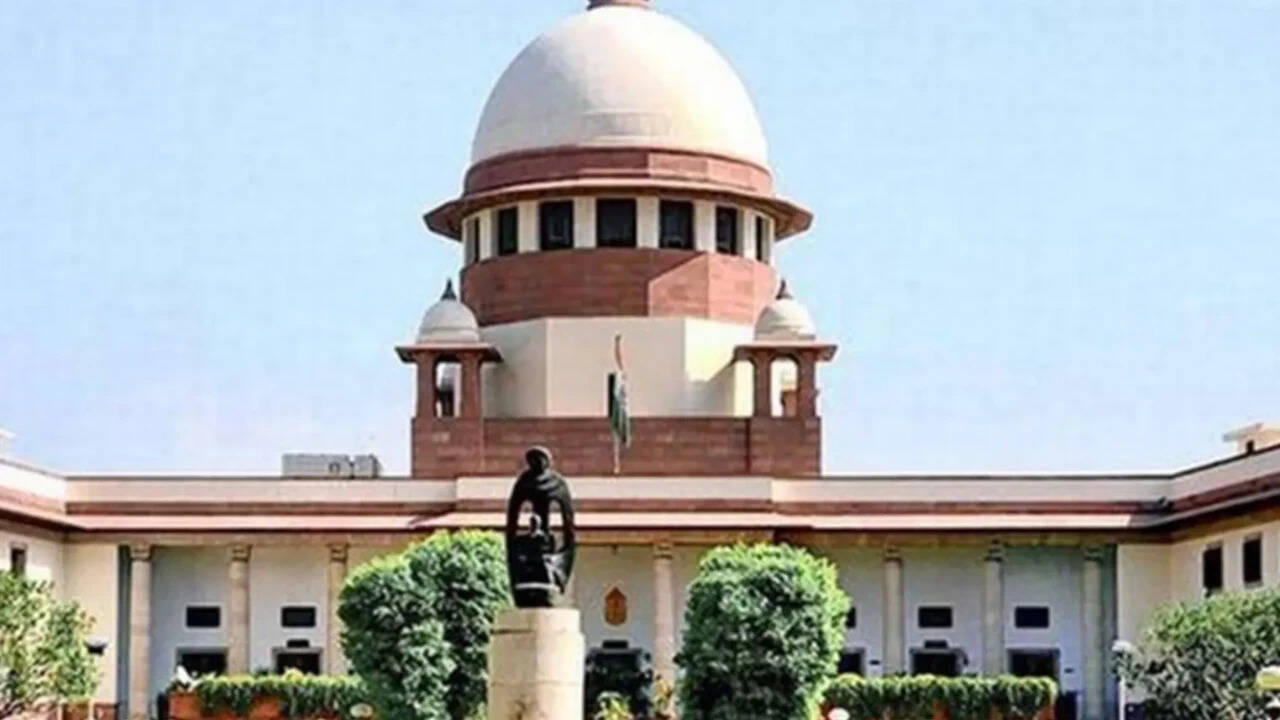
New Delhi: A national-level sportswoman employed as a group D staffer (safaiwala) in the Railways has been fighting for a promotion since 2005. Despite winning medals in national competitions and a Central Administrative Tribunal (CAT) order in her favour, she has been repeatedly denied the benefit of the Railways' out-of-turn promotion policy. Her case is now set to be heard by the Supreme Court on August 21, after a prolonged delay of nearly seven years.
Rajni Rani, who joined the Railways in 2003 as a safaiwala, was eligible for a first promotion under the ministry's policy that grants out-of-turn promotion to medal-winning employees. She won a bronze medal at the 52nd Northern Railway Athletic Meet in February 2005 and a gold medal at the 44th Senior National Inter-State competition in July 2004. She also represented the Railways at the National Open Championship in Mumbai in September 2004, securing fourth place.
Despite meeting the criteria, Rani was not promoted. In 2012, the Central Administrative Tribunal directed the Railways to consider her case. However, when the Railways again rejected her claim in 2013, she approached the Punjab and Haryana High Court in 2016. The High Court dismissed her writ petition on technical grounds, prompting her to file a special leave petition in the Supreme Court in November 2016.
The Supreme Court initially entertained her plea on January 9, 2017, and sought a response from the Union government within eight weeks. But the case was not listed for hearing. On May 15, 2018, the court's registrar noted that no statement of case had been filed by any party despite the deadline. The matter was supposed to be placed before a bench as per rules, but it continued to languish.
Last Wednesday, Rani's counsel moved a bench headed by Chief Justice Surya Kant for an early hearing. The CJI expressed displeasure over the delay and directed the registry to list the petition on August 21.
Rani's case highlights the systemic barriers faced by sportspersons in government service who are entitled to career benefits under official policies. Despite a clear policy and a judicial directive, administrative inertia has forced a medal-winning athlete to wait two decades for a promotion. Her lawyers argue that the Railways' rejection was based on a misinterpretation of the rules, as the policy requires participation in only two recognised national events, which she had fulfilled.
The Supreme Court's intervention brings fresh hope that the long-pending appeal will finally be heard on its merits. The outcome could set a precedent for other sportspersons in similar situations, ensuring that their achievements on the field are duly recognised in their professional careers.