After 19 Years, TN Revives Demand for Tamil in Madras High Court
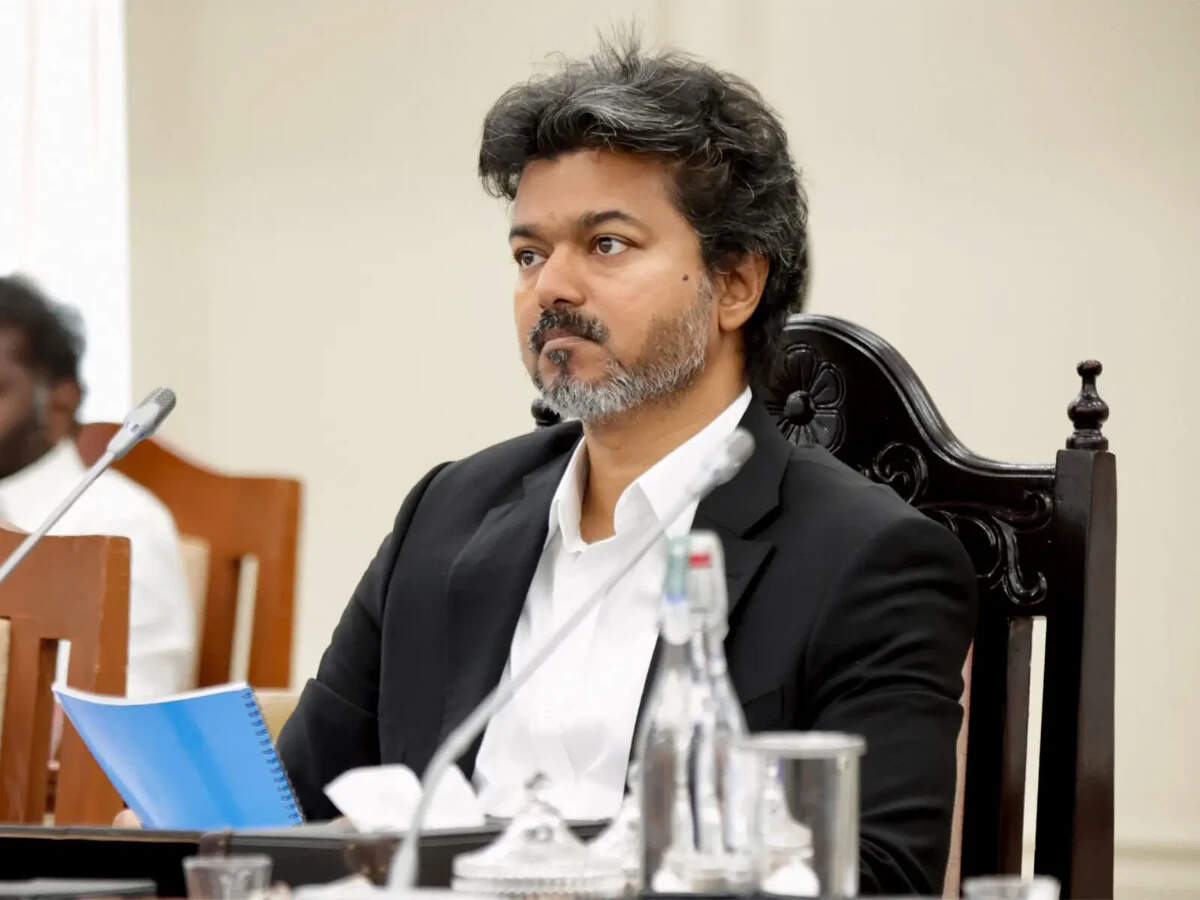
Tamil Nadu Chief Minister Vijay is set to move a resolution in the State Assembly urging the Union Government to allow Tamil to be used as the language of the Madras High Court. The proposed resolution, if passed, would mark a renewed push for a demand that dates back to a similar Assembly resolution in 2006, which did not yield the desired result.
The resolution is expected to call for legal rulings, decrees and judicial proceedings to be issued in Tamil, which is the official language of the State and one of India's classical languages. The State government believes that the use of Tamil in the High Court will make justice more accessible to ordinary litigants, many of whom are not well-versed in English.
Under Article 348 of the Constitution, English remains the language of proceedings in the Supreme Court and the High Courts unless Parliament provides otherwise. However, the Governor of a State may, with the previous consent of the President, authorise the use of Hindi or any other official language of the State in proceedings before the High Court. A statement from the Chief Minister's Office has not yet detailed the legal route, but the resolution is likely to press for presidential approval under this provision.
The move gains significance as the Madras High Court, established in 1862, has predominantly functioned in English. While many other High Courts in India have adopted regional languages in limited ways, the use of vernacular languages in formal judicial orders and judgments remains limited. The Tamil Nadu Government has indicated that technological advances in translation and transcription could address the practical challenges of shifting to Tamil.
Sources suggest that the resolution will emphasise the use of modern software and artificial intelligence tools to assist judges, lawyers and court staff in drafting and translating orders, thereby reducing procedural delays. This, the government argues, makes the timing suitable for reviving the demand raised nearly two decades ago.
The 2006 resolution, moved by the then Chief Minister J. Jayalalithaa, had sought similar recognition for Tamil in the Madras High Court. However, it was not acted upon by the Union Government, leaving the demand pending. The new government has now picked up the issue, with Chief Minister Vijay personally scheduled to introduce the resolution in the upcoming session.
The decision has been welcomed by Tamil language activists and several political parties, who see it as a step towards fostering linguistic pride and ensuring that citizens can interact with the judiciary in their own language. Some legal experts, however, caution that the transition would require substantial investment in translation infrastructure and training of judicial personnel to ensure consistency and accuracy in legal terminology.
At present, the High Court's official records and certified copies of judgments are issued in English. If the resolution is approved by the Centre, Tamil could become the second language for official purposes of the High Court, bringing it on par with the language used in State administration. The resolution is also expected to resonate with the longstanding demand for linguistic parity in courts across the country.
Observers will be keen to see how the Union Government responds, particularly in the backdrop of other States seeking similar privileges for their regional languages. The issue also touches upon the broader debate over the language of justice and whether a multilingual judiciary is feasible in the world's largest democracy. For now, the move by the Tamil Nadu Government is a significant reminder that the demand for language rights in courts remains an unresolved constitutional question.


