After 19 Years, Taslima Nasreen Returns to Kolkata: 'Feels Like I'm Back in My Own Country'
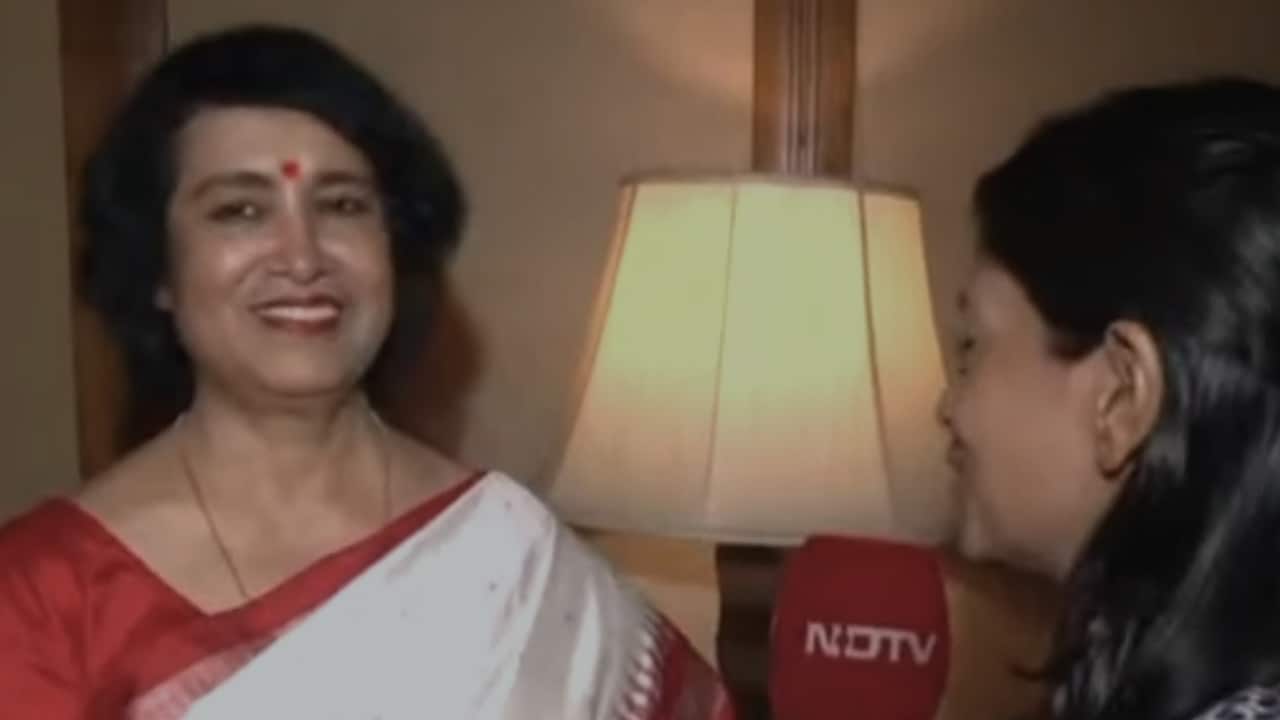
Exiled Bangladeshi writer Taslima Nasreen reached Kolkata on Thursday morning, nearly two decades after she was forced to leave the city she once called her second home. In an exclusive interview to NDTV, the 63-year-old described the return as a homecoming. "I used to call it my second home. So it feels like I have come back to my own country," she said.
Nasreen, a doctor by training, fled Bangladesh in 1994 after her writings on women's rights and religion triggered a violent backlash. In 1993, her novel "Lajja" (Shame) dealt with the persecution of Hindus in Bangladesh, and a fatwa was issued against her. A reward was offered by some fundamentalist groups for her killing. She moved between countries and eventually settled in Kolkata in 2004, which became her base for writing and activism.
In Kolkata, she published her memoir "Dwikhandito" in 2003, which narrated her life after leaving Bangladesh. The book was banned by the then Left Front government in West Bengal, ostensibly for hurting religious sentiments. In 2007, following massive street protests from Muslim organisations, she was forced to leave the city. She has been living in Delhi ever since.
On Thursday, she arrived to attend a civic reception scheduled for August 1 at Rabindra Sadan. The programme will include recitations of her poetry, musical performances inspired by her works, and sessions on her literary contribution. West Bengal's Leader of Opposition, Suvendu Adhikari, and noted author Shirshendu Mukhopadhyay are expected to be present.
Asked about her impending speech, Nasreen expressed hope that the audience would listen to her and the poetry she plans to read. She also said she looked forward to meeting old friends and visiting familiar places like College Street and its historic Coffee House.
Political reactions to her return have been mixed. The Communist Party of India (Marxist) and some other groups have termed the visit a bid by the Bharatiya Janata Party to polarise society on religious lines. The ruling Trinamool Congress has kept a distance, with the state government not showing any initiative to facilitate or welcome her return, according to reports.
Nasreen's return comes at a time when debates over free expression and religious politics are sharp in the country. Her supporters see her presence as a victory for literary freedom, while opponents view it as a provocation.
Over the years, Nasreen has remained a vocal critic of religious orthodoxy and political intolerance. She has received several international honours, including the UNESCO-Madanjeet Singh Prize for Tolerance and Non-Violence in 2004. Her works have been translated into many languages, and she continues to write from her home in the national capital.
The programme at Rabindra Sadan is expected to draw writers, intellectuals, and cultural figures from across the state. For Nasreen, the visit appears to be both a personal return and a statement about the endurance of the written word.