50 Years After Emergency: India's Democratic Record and Concerns
It has been five decades since the imposition of the Emergency in 1975, a period that remains one of the most contentious in modern Indian history. The 21-month suspension of civil liberties under Prime Minister Indira Gandhi's government included press censorship, preventive detention, and the curtailment of fundamental rights. Today, as India marks this anniversary, debates persist over the state of democracy and media freedom.
Discussions of the Emergency often lead to comparisons with the present. Some observers note that while current restrictions on the media are not as severe as the outright censorship of 1975–77, there are concerns about a gradual erosion of democratic norms. For instance, in 2020, the Delhi High Court criticised the police's handling of a case against the news portal NewsClick, including the arrest of its editor and the invocation of anti-terror laws. The court's comments underscored the importance of judicial oversight in safeguarding press freedom.
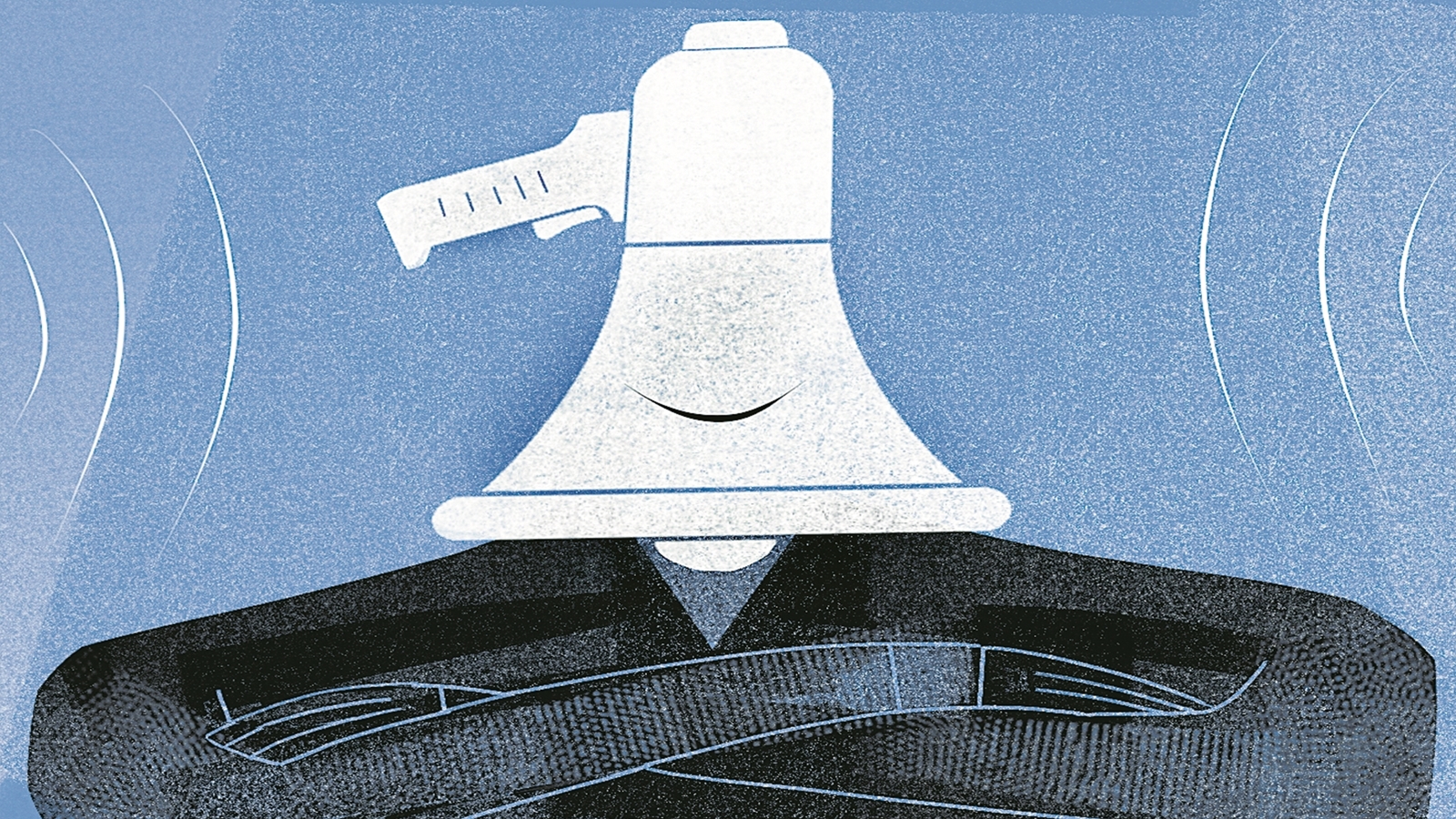
Television news in India today frequently features government spokespersons and commentators aligned with the ruling party. Critics argue that this format reduces the space for independent journalism, while others maintain that such representation is part of a pluralistic media landscape. The government has stated that it upholds constitutional freedoms, and the Supreme Court has on several occasions intervened to protect free speech.
In a recent joint press conference in France, US President Donald Trump remarked to Prime Minister Narendra Modi that Indian reporters were 'much nicer' than American ones. This comment was interpreted by some as a reflection of self-censorship among Indian journalists, who may avoid asking tough questions to maintain access. However, others view it as a light-hearted observation about cultural differences in press–government interactions.
The framers of India's Constitution envisioned a vibrant democracy with robust protections for fundamental rights. While the Emergency was a stark deviation from that vision, the constitutional structure has endured. Independent institutions such as the Election Commission and the judiciary continue to function. Nevertheless, civil society groups and press freedom advocates call for vigilance to prevent any slide toward authoritarianism.
As India looks back at the Emergency, it faces difficult questions about balancing national security and democratic freedoms. The warnings from that era remain relevant: that constitutional safeguards must be actively protected. Whether the country is moving in a better direction is a matter of ongoing debate, but the constitutional framework provides the tools to address these concerns.