25 US States Sue Trump Administration Over New Tariffs
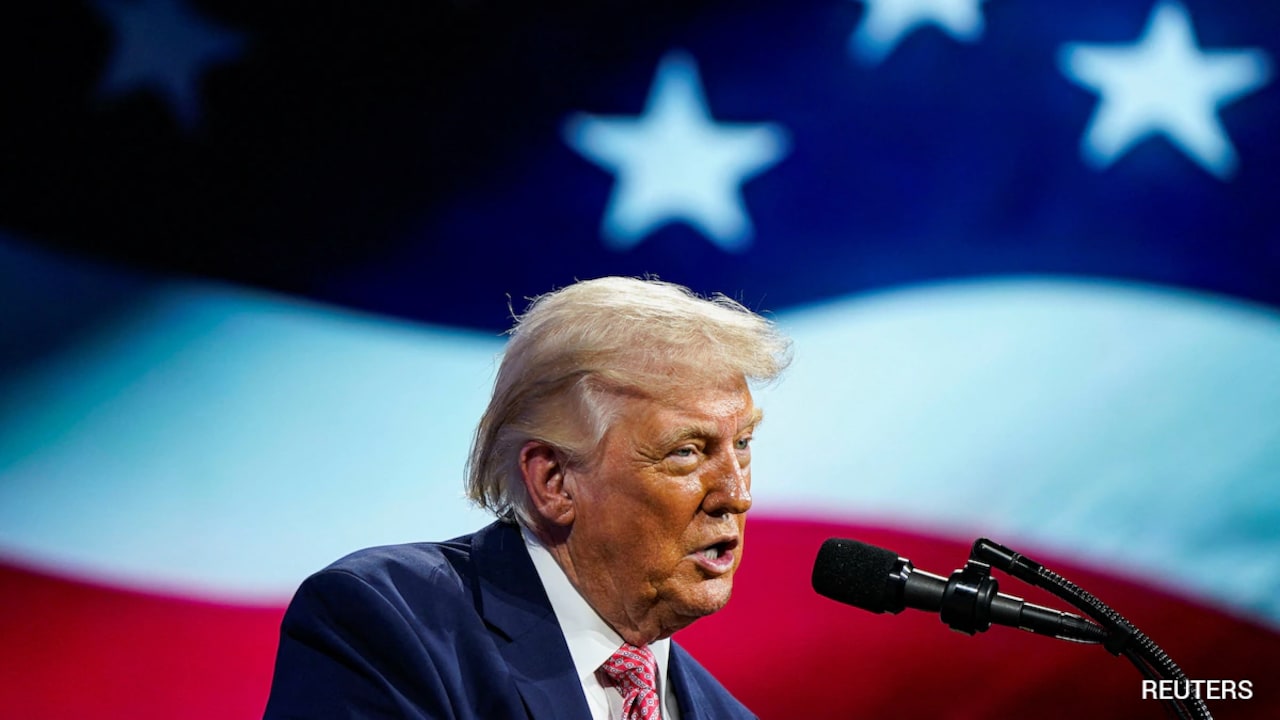
Twenty-five US states have filed a lawsuit against the Trump administration over its latest tariffs, arguing that the new import taxes are an illegal attempt to bypass a recent Supreme Court ruling. The legal action, announced on Monday, is led by New York Attorney General Letitia James and includes states such as California, Illinois, Michigan, and Pennsylvania.
The dispute centres on tariffs imposed last month on 59 countries and the European Union. The administration said these tariffs, ranging from 10% to 12.5%, were a response to those countries' failure to crack down on goods produced by forced labour. They were introduced under Section 301 of the Trade Act of 1974, a law that allows the president to impose trade sanctions on countries found to engage in unfair practices.
The new tariffs came into force just as temporary tariffs imposed under a different law expired. In February, the Supreme Court struck down tariffs that President Donald Trump had levied under the 1977 International Emergency Economic Powers Act (IEEPA). The court ruled that IEEPA did not authorise such import taxes. That decision forced the administration to refund billions of dollars to importers who had paid the earlier tariffs.
In their lawsuit, the states argue that the administration is now using Section 301 to achieve the same result that the Supreme Court rejected. They say the new tariffs are effectively a tax on American families and businesses, and that the administration lacks the authority to impose them without congressional approval.
"After losing at the Supreme Court, the administration is once again trying to illegally raise taxes on families and businesses with a new round of tariffs," said Attorney General James in a statement.
The White House has defended the tariffs, saying they are lawful and necessary. In a statement, White House spokesman Kush Desai said: "The United States is using its lawful authority to obtain the elimination of unreasonable acts, policies, and practices that burden U.S. commerce. Section 301 tariffs have proven to be a legally durable tool since the President's first term, and they remain so now."
Section 301 has been used before to impose tariffs on Chinese goods during Trump's first term, and those tariffs survived legal challenges. However, the current lawsuits argue that the administration has not adequately demonstrated why each targeted country's forced-labour practices justify tariffs, nor explained how the tariffs would eliminate those practices, as required by law.
Three separate cases have now been filed against the tariffs. In addition to the states' lawsuit, two small businesses have filed challenges in the US Court of International Trade. Both argue that the administration failed to provide the specific analysis required under Section 301 for each country.
The legal battle is part of a broader conflict over trade policy. Trump has long argued that high tariffs will protect American manufacturing and reduce the trade deficit. His administration has reversed decades of US policy favouring free trade, a shift that has drawn both support and criticism.
Observers say the outcome of these lawsuits could have significant implications for US trade policy. If the courts rule against the administration, it may be forced to seek congressional approval for future tariffs, fundamentally changing how the executive branch conducts trade negotiations.


