22 Indians, Including 14 Seafarers, Killed in West Asia Conflict, Says MEA
The Ministry of External Affairs has confirmed that 22 Indian nationals, including 14 seafarers, have lost their lives in the ongoing conflict in West Asia, offering the clearest official accounting so far of the toll the war has taken on Indians in the region.
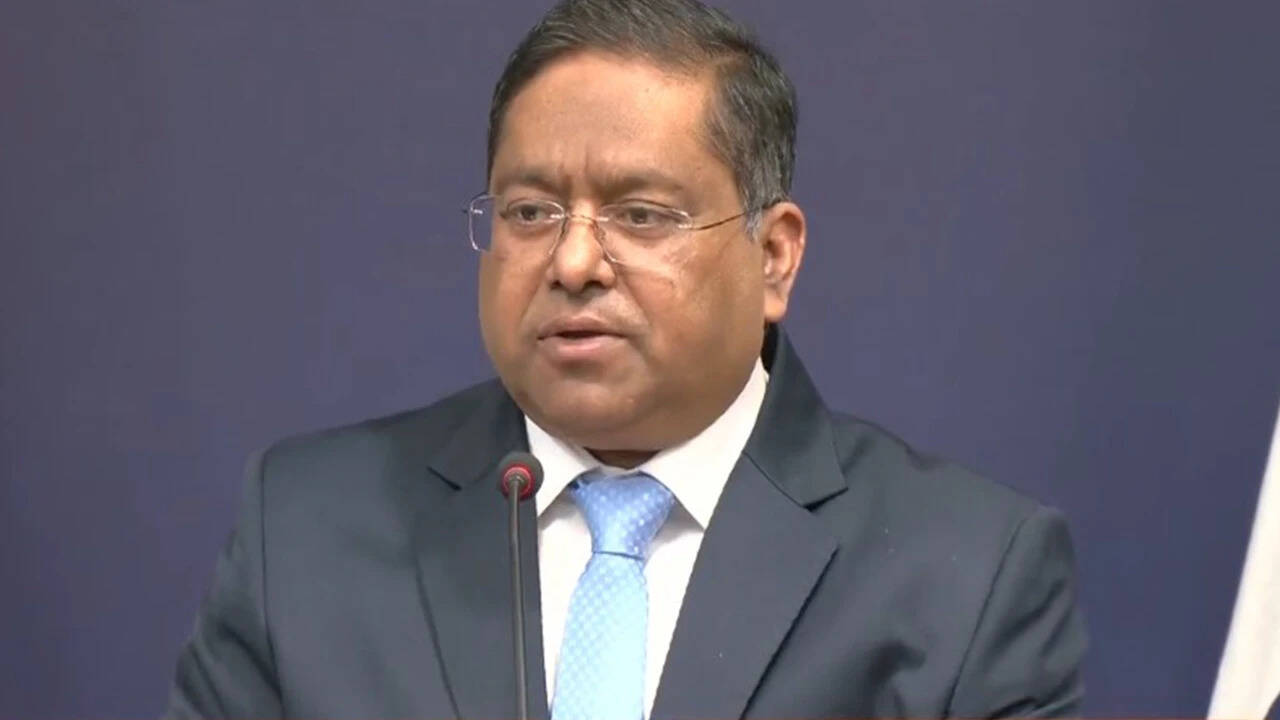
“We are deeply concerned about the ongoing conflict in West Asia. We have lost 22 Indian nationals in the conflict. We remain in close touch with our community in the Gulf region for their safety and well-being,” ministry spokesperson Randhir Jaiswal told reporters in New Delhi.
Mr Jaiswal said three of the 22 Indians were killed in attacks in Saudi Arabia. The ministry did not give a country-wise break-up of the remaining deaths and has not released the names of those killed, citing the need to inform families first.
The figure underlines how directly the conflict has reached Indian citizens, tens of thousands of whom live and work across the Gulf, a region that is also one of the world's busiest shipping and energy corridors.
That 14 of the 22 were seafarers is significant. India is among the largest suppliers of crew to the global merchant fleet, and Indian sailors serve on cargo vessels, tankers and container ships that pass through these waters. Maritime crew have faced particular danger as shipping routes in the region have become risky, with vessels delayed, rerouted or held up, and crew changes disrupted.
The Gulf is home to one of the largest concentrations of Indians living outside the country. An estimated nine million Indians work and live in the region, concentrated in the United Arab Emirates, Saudi Arabia, Qatar, Kuwait, Oman and Bahrain. Their earnings are a pillar of India's foreign exchange receipts — India is the world's largest recipient of remittances, and the Gulf accounts for a substantial share.
Successive Indian governments have therefore treated the safety of the Gulf diaspora as a central foreign policy concern, and Thursday's statement reflects that priority. The ministry said its missions in the region have been asked to stay in close contact with Indian communities and to assist families seeking information about relatives.
The ministry has not announced any evacuation or large-scale repatriation plan, and did not give details on the return of the bodies of those killed. In past crises in the region, Indian authorities have arranged special flights and naval deployments to bring citizens home, but such decisions have been taken only after detailed assessments on the ground.
Indian nationals in the region who need assistance have been advised to contact the nearest Indian embassy or consulate. Missions in the Gulf maintain round-the-clock helplines for citizens in distress, and families in India seeking information about relatives can also approach the ministry's control room in New Delhi.
The confirmation of the deaths is likely to sharpen attention in Parliament on the government's assessment of the conflict and its contingency plans for the diaspora. Opposition parties have in the past pressed the government for clarity on the safety of Indians abroad, and similar questions are expected in the coming days.
The conflict has already disrupted trade and energy flows through the region, with knock-on effects for shipping costs, insurance and fuel prices — factors that matter for India, which imports a large share of its crude oil from West Asian producers.
Officials indicated that the situation is being monitored closely and that the death toll could change as more information becomes available. The ministry has urged the Indian community in the region to follow local advisories and to register their details with their nearest mission so that they can be reached quickly in an emergency.