1976 Emergency: Governor's Report Reveals Reasons for Tamil Nadu President's Rule
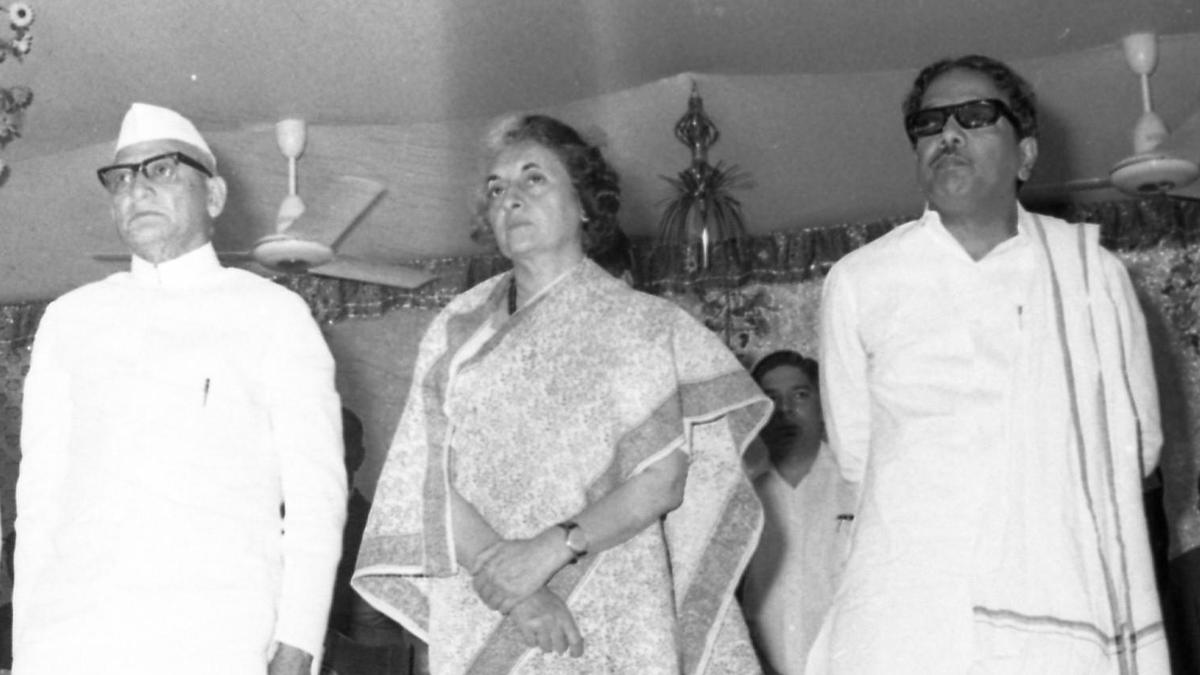
On the night of January 31, 1976, President's Rule was imposed in Tamil Nadu for the first time, dismissing the M. Karunanidhi-led DMK government. The decision came after then Governor K.K. Shah submitted a detailed report to the Union government outlining the reasons for the recommendation.
According to records from The Hindu archives, one of the primary issues flagged by Shah was the state government's attitude towards the Emergency imposed by Prime Minister Indira Gandhi in June 1975. He described the DMK government's stance as one of 'lack of cooperation, if not total disregard of the instructions of the Central government.' This resulted in the free circulation of literature and newspapers critical of the Emergency, which reached neighbouring states, drawing complaints from Kerala and Puducherry.
Shah also noted that few activists from banned organisations had been apprehended, and inadequate steps were taken to curb clandestine literature. However, he simultaneously accused the state government of misusing emergency powers to muzzle opposition media. Under Rule 47(1) of the Defence and Internal Security of India Rules, 1971, the state had suppressed publications belonging to opposition parties.
A significant part of Shah's report focused on the DMK's demand for greater state autonomy. He claimed that DMK leaders, including the Chief Minister, had made veiled threats of secession if autonomy was not granted. Sinister comparisons were drawn with the situation in Bangladesh and the fate of its President, Mujibur Rehman. At the party's state conference in December 1975, it was stated that if the demand for autonomy was not conceded, the DMK would have no alternative but to revive its earlier demand for a 'separate Tamil Nadu.' The Governor contended that such a sustained campaign, involving propaganda and indirect encouragement of violence, ran counter to national integration and, if unchecked, would have disastrous consequences.
Shah concluded that allowing the DMK to continue in office would seriously jeopardise democratic norms. He listed allegations of administrative and financial improprieties, including interference with the official machinery and amassing of wealth by party leaders. The half-hearted or hostile attitude towards central government instructions during the Emergency, he argued, created a perception that the ministry served only the interests of the DMK party and its followers, excluding other sections of the population.
The report led to the dismissal of the Karunanidhi government and the imposition of President's Rule, a controversial move that remains a significant event in Tamil Nadu's political history. The Emergency period itself, which lasted from 1975 to 1977, is widely regarded as a dark chapter in Indian democracy, marked by widespread suppression of dissent and curtailment of civil liberties.